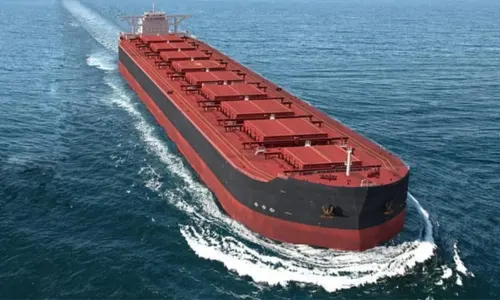
Bulk Carrier
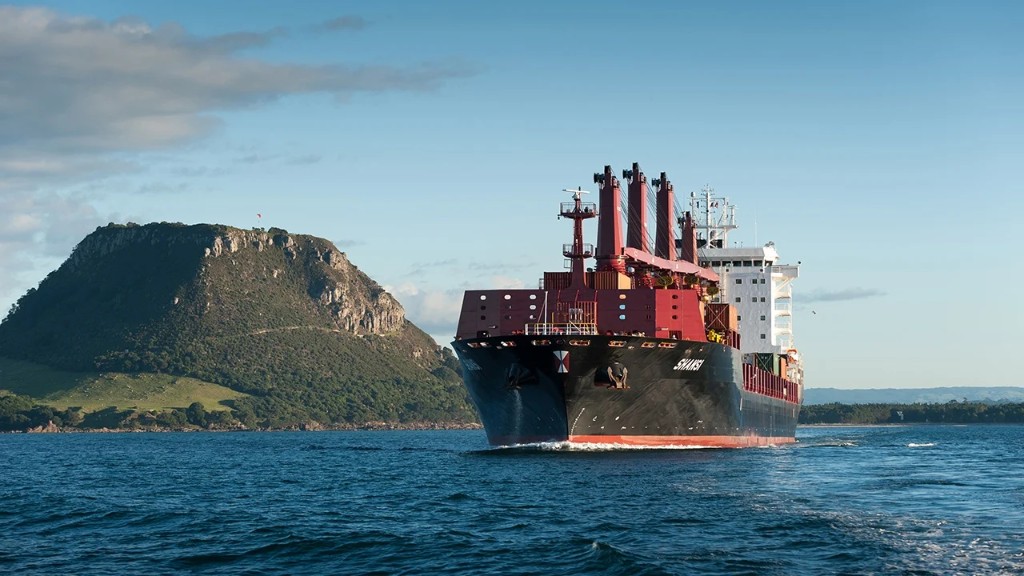
Designed to carry unpackaged dry commodities in large holds. The largest segment of the global merchant fleet by vessel count. No containers — cargo is loaded directly into holds via grabs or conveyor.
A complete reference to the nine main vessel classes in commercial shipping — what they carry, where they sail, and when to choose each one.

Designed to carry unpackaged dry commodities in large holds. The largest segment of the global merchant fleet by vessel count. No containers — cargo is loaded directly into holds via grabs or conveyor.

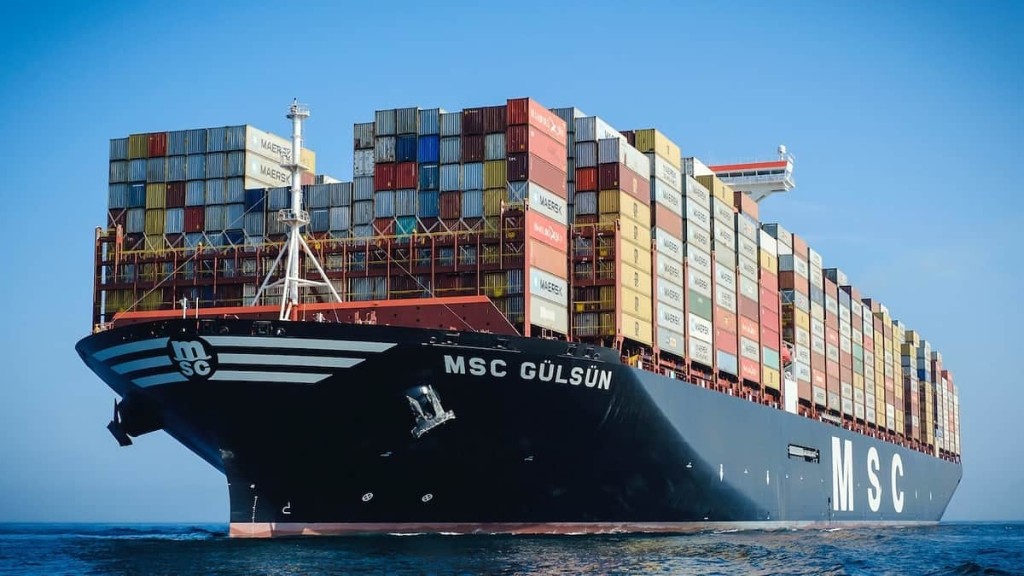
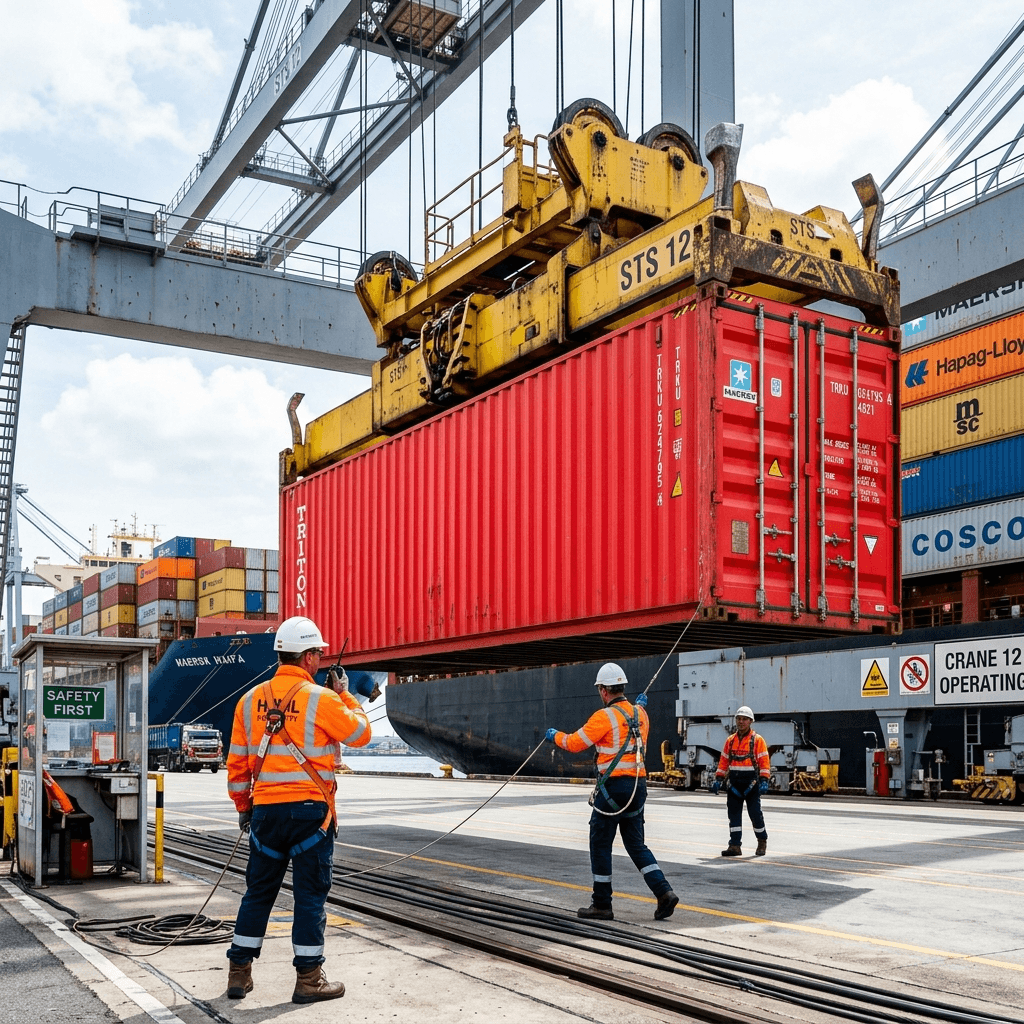
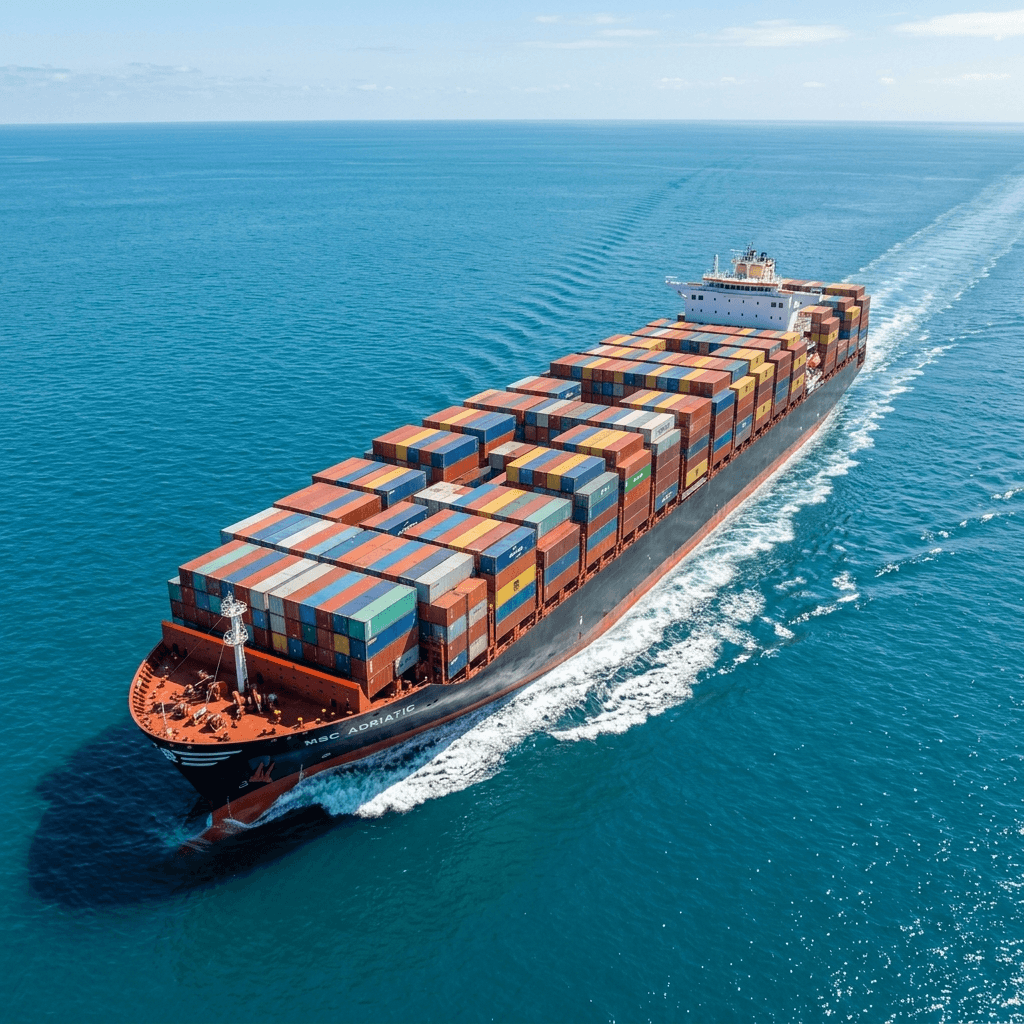
Carries standardised ISO containers (TEU/FEU) stacked in cellular holds and on deck. Enables efficient multimodal transport from factory to final destination. Range from 500 TEU feeders to 24,000+ TEU ultra-large vessels.

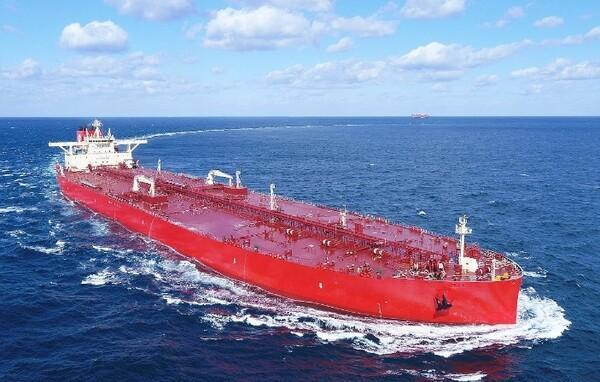
Built with segregated cargo tanks, inert gas systems and double hulls. VLCCs (200,000–320,000 DWT) and ULCCs (320,000+ DWT) move crude oil on long-haul routes. Product tankers carry refined petroleum.

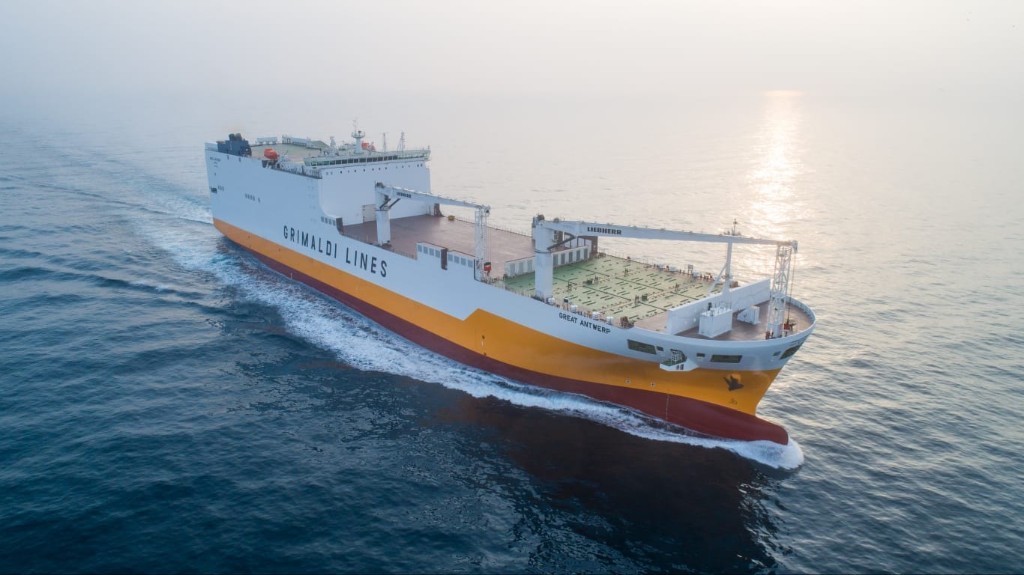
Roll-on/Roll-off vessels have stern or side ramps allowing wheeled cargo to be driven directly on and off. No cranes required — faster loading, lower damage risk. PCTCs carry thousands of vehicles on multiple decks.

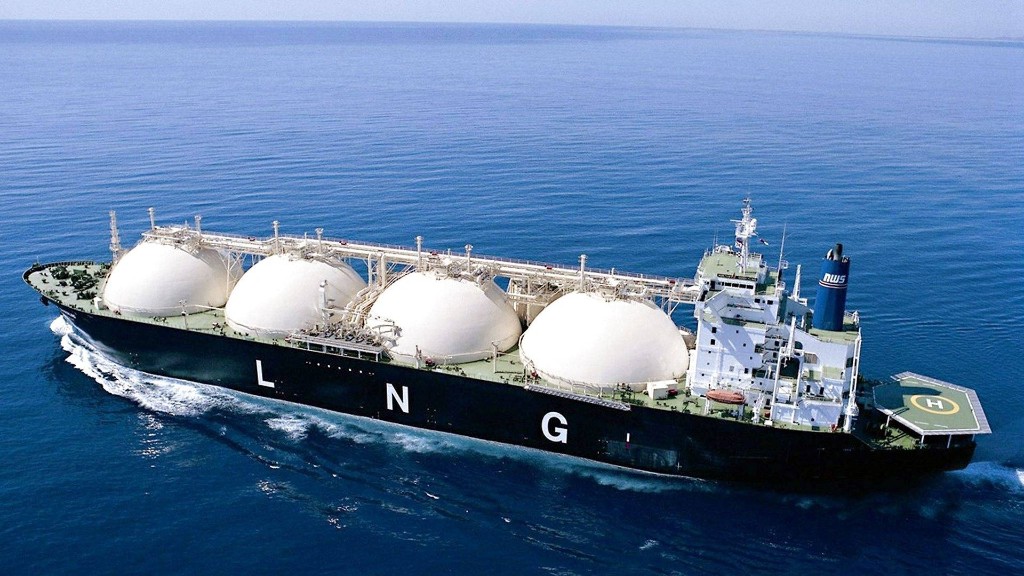
Specialised vessels carrying liquefied natural gas at −162°C in insulated tanks. Among the most technically advanced and expensive ships afloat. LPG carriers transport propane and butane at pressurised or refrigerated conditions.

Equipped with cranes lifting hundreds or thousands of tonnes. Semi-submersible ships submerge to allow floating cargo — platforms, other vessels, wind turbine components — to be floated on. Essential for out-of-gauge project cargo.

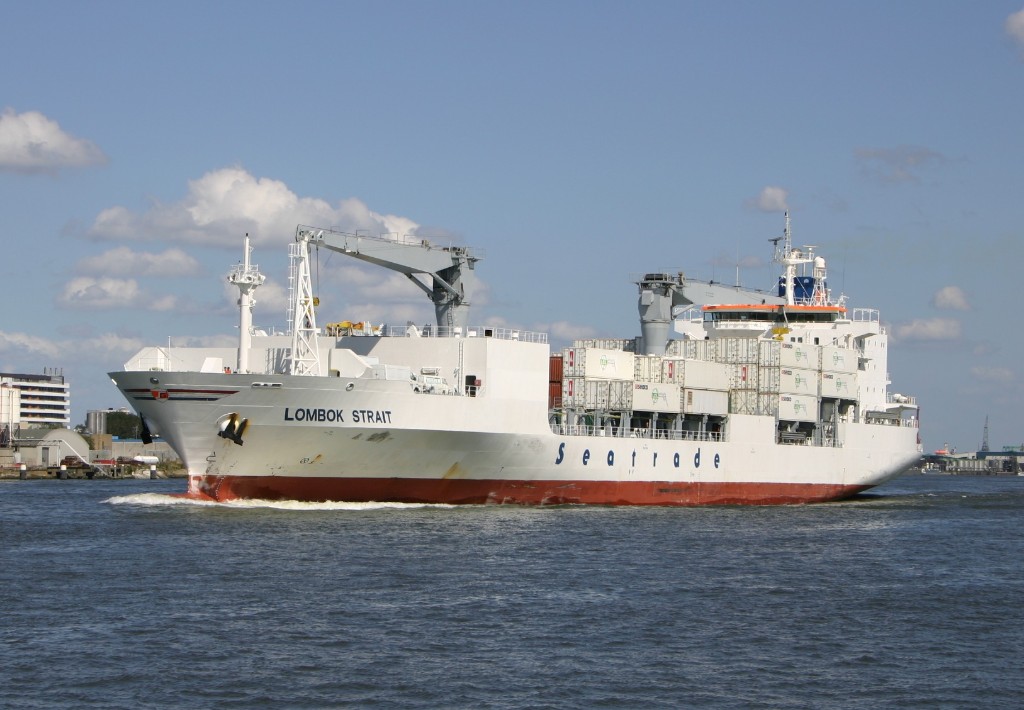
Maintains precise temperature control throughout the entire hold — critical for perishables, pharmaceuticals and frozen products where cold chain integrity is non-negotiable. Dedicated reefers have holds with refrigeration plant; reefer containers ride on container ships.

Purpose-built with ventilation systems, feeding equipment and veterinary facilities. Subject to strict animal welfare regulations (AU ESCAS, EU rules). Common on Australia–Middle East and South America–Turkey routes.

The most flexible workhorses of shipping — equipped with their own cranes, capable of carrying containers, breakbulk and heavy lifts in a single voyage. Ideal for ports with limited shore-side infrastructure.
Use our Cargo Finder or speak to a broker directly.
Cargo Finder Get a Quote →