The global merchant fleet comprises thousands of specialised vessels, each designed for a specific cargo type and trade pattern. Choosing the wrong vessel means higher costs, delays, or cargo damage. This guide covers the nine main cargo ship types you'll encounter in commercial shipping.
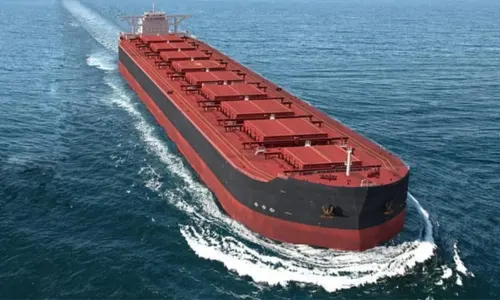
1. Bulk Carriers
Bulk carriers transport unpackaged dry commodities — iron ore, coal, grain, cement — in large holds. Sizes range from Handysize (10,000 DWT) to Capesize (180,000+ DWT). Capesize vessels are too large for the Panama Canal and typically serve Brazil–China iron ore routes.
2. Container Ships
Container ships carry ISO-standard boxes (TEUs) stacked in cellular holds. Feeders (500–3,000 TEU) serve regional ports; ULCVs (20,000+ TEU) operate mainline Asia–Europe routes. The container revolutionised global trade by enabling door-to-door multimodal transport.
3. Oil Tankers
Tankers carry liquid petroleum in segregated, coated tanks. Aframax (80–120k DWT), Suezmax (120–200k), VLCC (200–320k) and ULCC (320k+) serve progressively longer crude oil routes. Product tankers carry refined fuels.
4. LNG / LPG Carriers
Gas carriers transport liquefied natural gas at −162°C or LPG under pressure/refrigeration. Among the most expensive and technically advanced vessels, with Qatar–Europe and Qatar–Asia as primary routes.
5. Ro-Ro / Car Carriers
Ro-Ro vessels have ramps for wheeled cargo. PCTCs (Pure Car and Truck Carriers) transport thousands of vehicles on multiple decks — common on Gulf–Europe and Japan–Gulf routes.
6. Heavy-Lift / Semi-Submersible
Project cargo vessels with cranes lifting 500–20,000+ tonnes, or semi-submersibles that sink to float-on heavy modules, platforms and other vessels.
7. Reefer Ships
Temperature-controlled vessels for fruit, meat, pharmaceuticals and flowers. Cold chain integrity is critical — dedicated reefers or reefer containers on box ships.
8. Livestock Carriers
Purpose-built for live animal export with ventilation, feeding and veterinary facilities. Heavily regulated under animal welfare standards.
9. General Cargo / MPV
Flexible multi-purpose vessels with own cranes, carrying breakbulk, bags, steel, timber and containers — ideal for ports without modern terminal infrastructure.
How to Choose the Right Vessel
- Cargo type — dry, liquid, containerised, temperature-sensitive, live, or project
- Volume — DWT or TEU requirement determines vessel size class
- Ports — draft limits, gear availability, infrastructure
- Timeline — laycan window and voyage duration
- Budget — voyage vs time charter economics
Explore our visual ship types guide or view available vessels for charter.