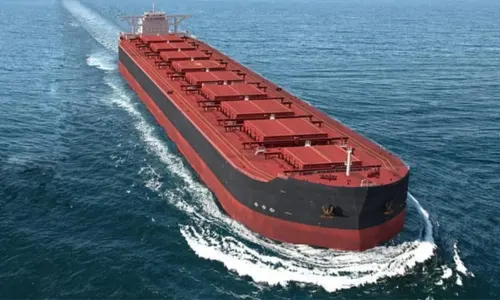
Chartering a bulk carrier — whether for a single voyage of grain or a long-term time charter for iron ore — requires clear cargo specifications, market knowledge, and experienced brokerage. Here is the step-by-step process.
Step 1: Define Your Cargo
Specify commodity type, quantity (MT), stowage factor, moisture content (for grain), and any special requirements (heated holds, CO₂ monitoring). This determines the minimum vessel size and any cargo-specific equipment needs.
Step 2: Determine Vessel Size
- Handysize (10–35k DWT) — small ports, diverse cargoes
- Handymax/Supramax (35–60k DWT) — most flexible, own gear
- Panamax (60–80k DWT) — Panama Canal max, grain/coal
- Capesize (100–400k DWT) — iron ore, coal, long-haul only
Step 3: Set Laycan and Route
Laycan (laydays/cancelling) is the date window for loading. Be realistic — tight laycans reduce available tonnage and increase rates. Specify load and discharge ports, including any draft restrictions.
Step 4: Choose Charter Type
Voyage charter — owner provides vessel for one voyage; charterer pays freight per ton or lump sum. Time charter — charterer hires vessel for a period at daily hire, controlling voyages and bunkers.
Step 5: Engage a Broker
A broker circulates your requirements to owners, collects offers, and negotiates terms. Hibernia Shipping accesses both listed and off-market tonnage from our Dubai desk.
Step 6: Review Offers & Negotiate
Compare freight rates, vessel age, flag, last cargo, and delivery position. Negotiate charter party terms — Gencon for voyage, NYPE for time charter — and resolve any amendments.
Step 7: Fixture & Execution
Once agreed, the fixture recap is exchanged, charter party signed, and vessel nominated. Your broker coordinates loading, documentation, and any disputes through to discharge.